
1420 W Baltimore Street
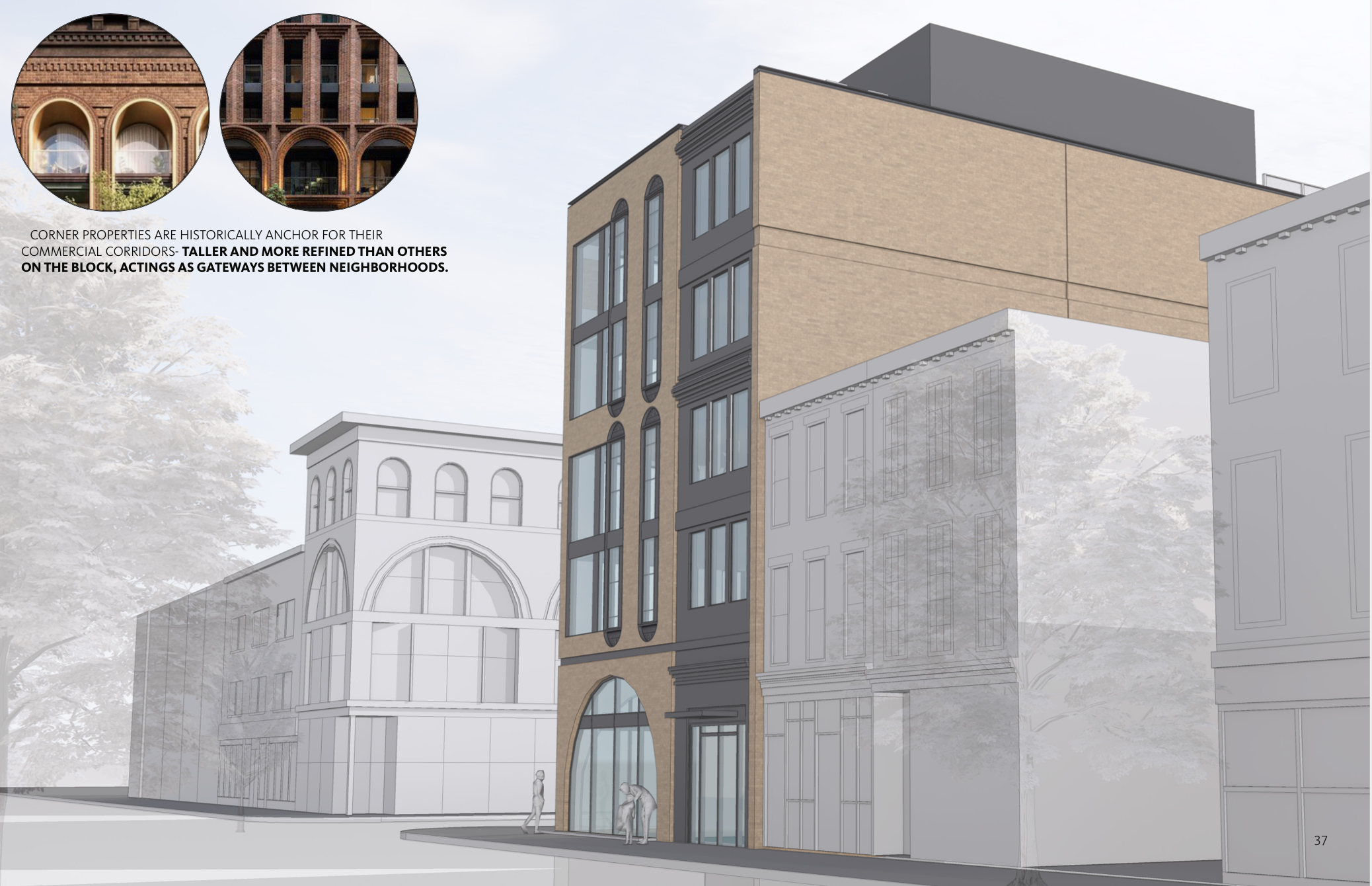
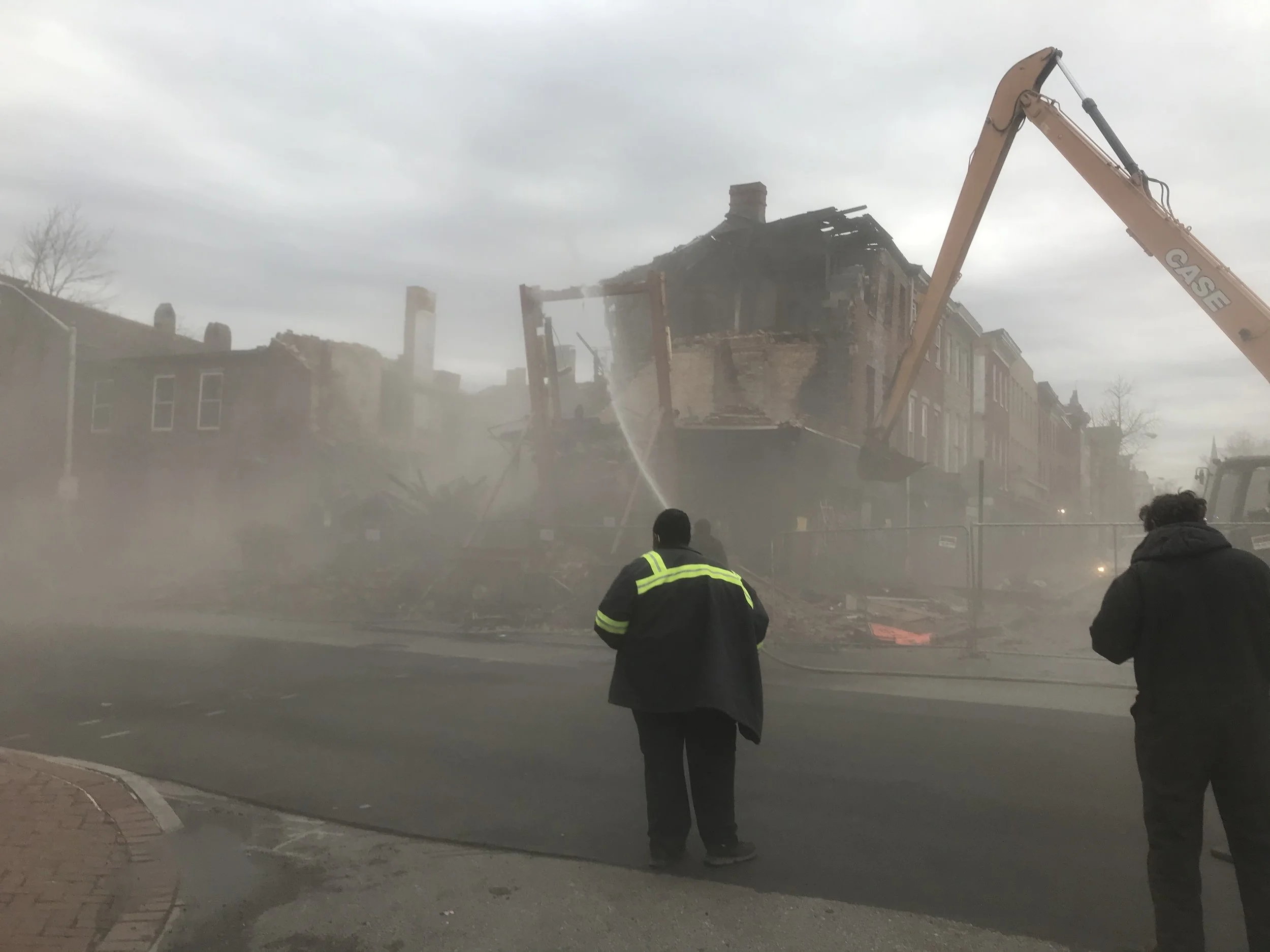
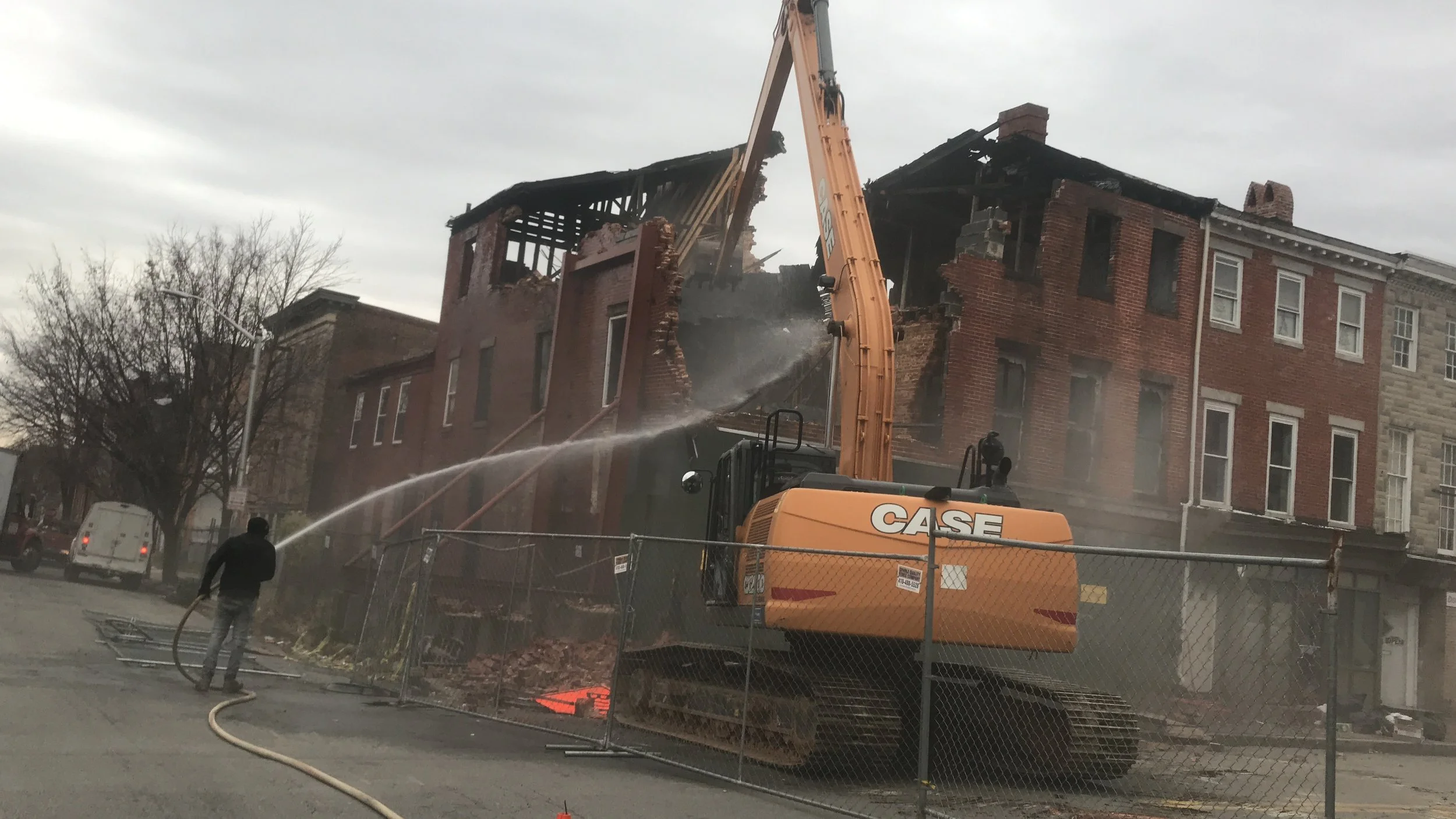
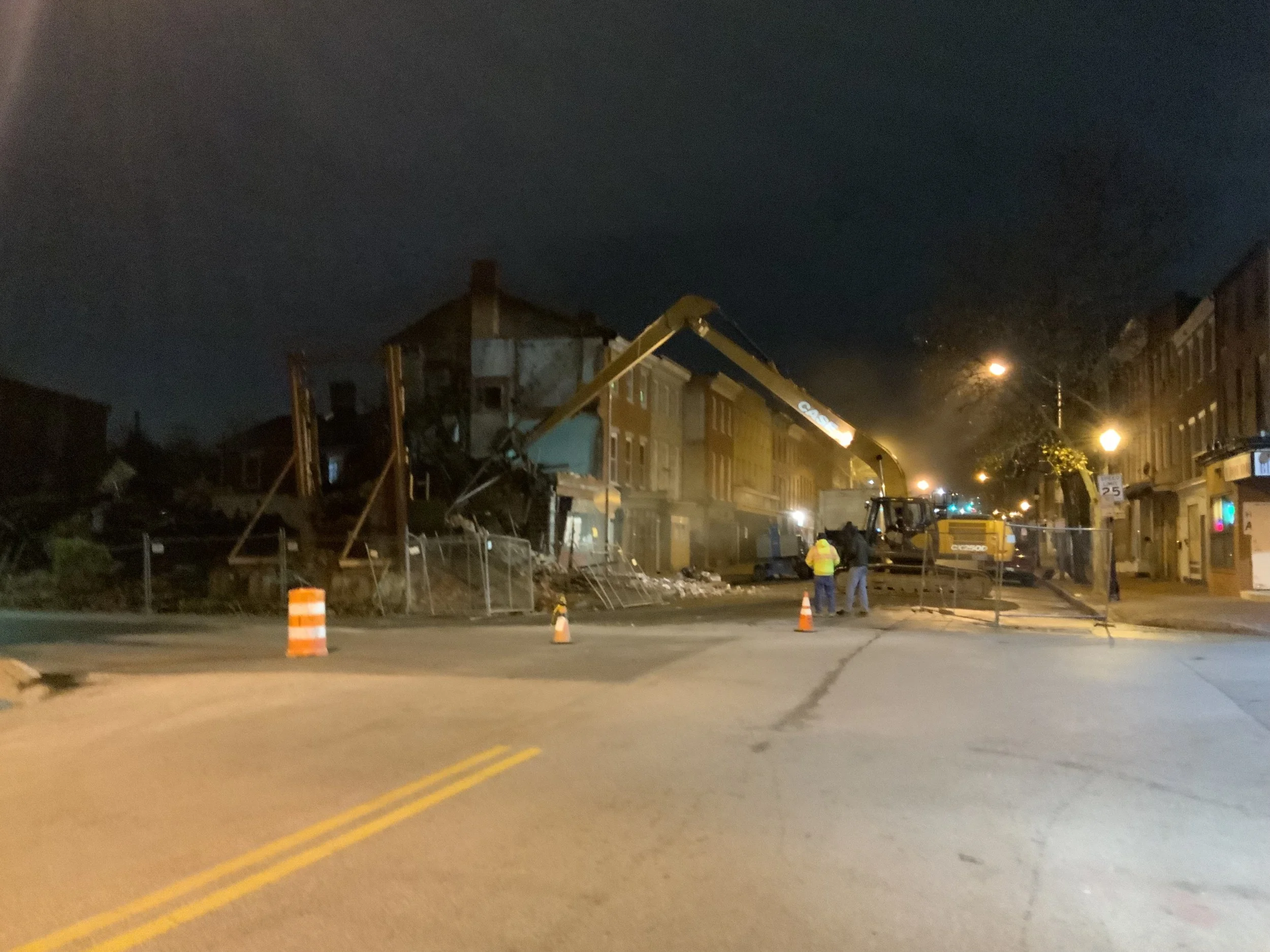
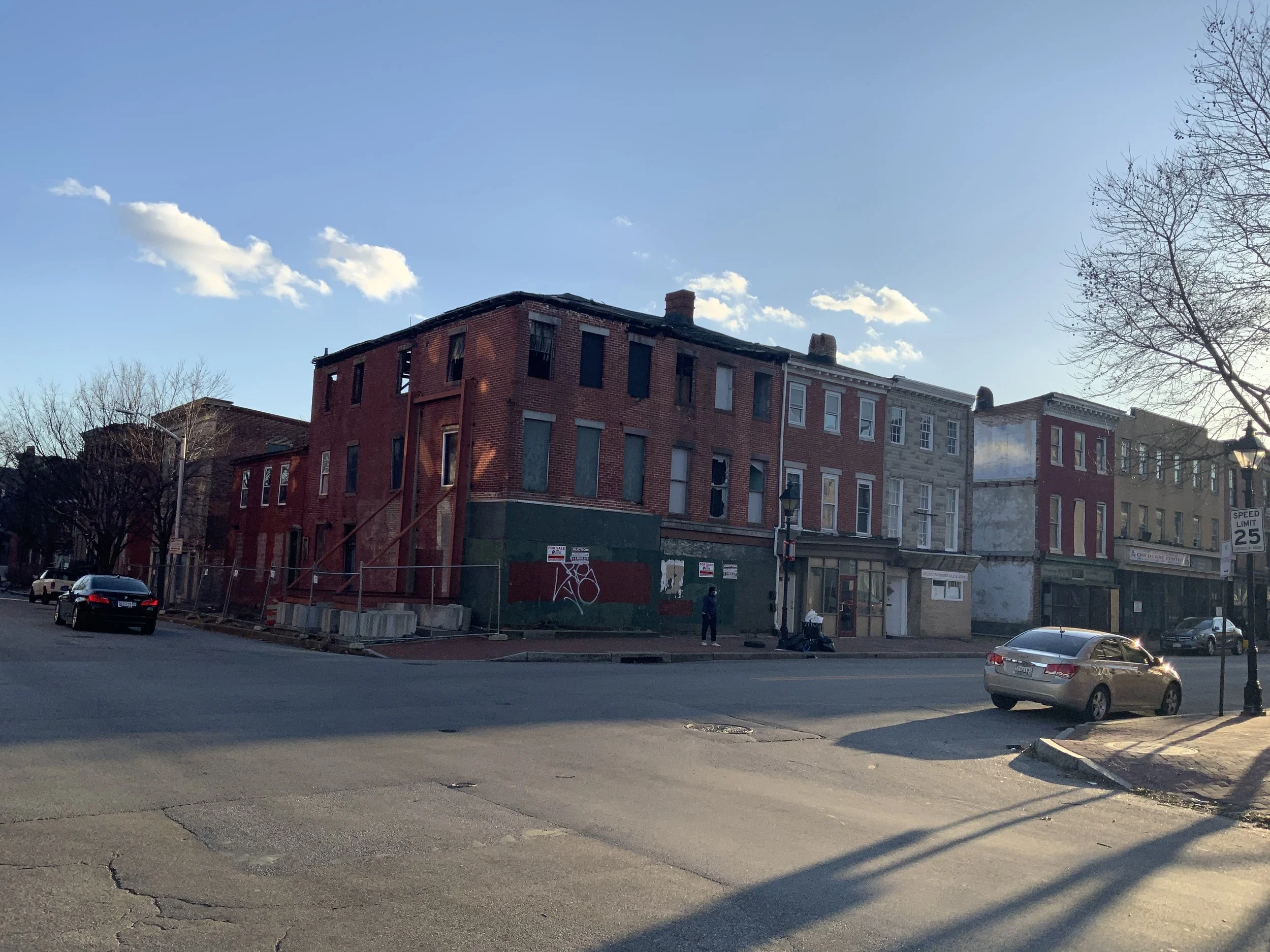
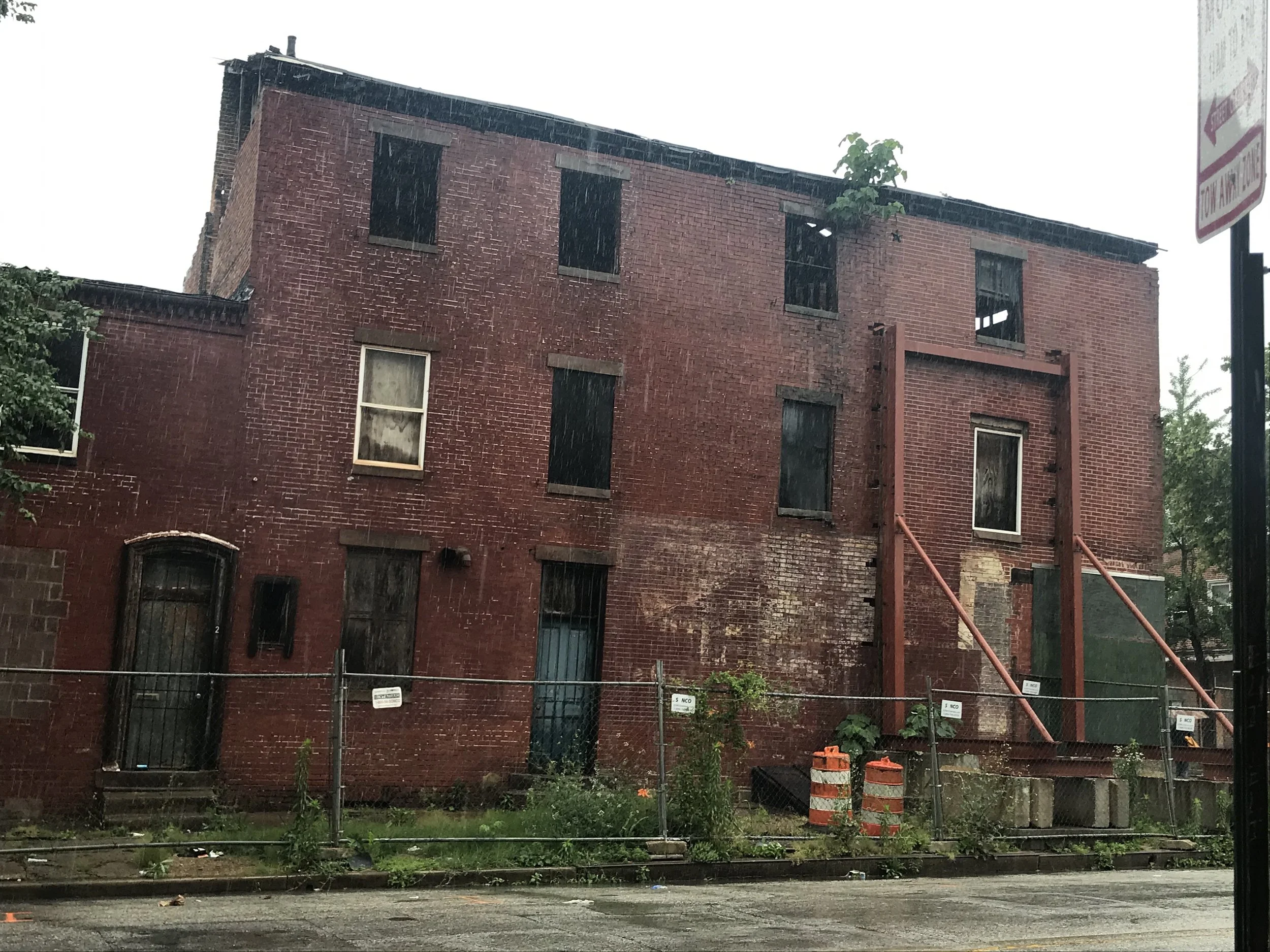
Located less than ½ mile from the BioPark— University of Maryland sprawling $1B+ life science campus— this blighted historic factory vacant for over 20 years is being transformed into a vibrant, multi-use neighborhood anchor that blends affordable housing with 30 apartments, economic development with groundfloor retail, youth career empowerment, and equitable access to clean energy with Net Zero achieved with Passive House + Microgrid.
This project brings together global leaders in the built environment including Gensler as architect and Whiting-Turner as General Contractor, both with outstanding track records globally and nationally.
The project is a model of place-based innovation and climate resiliency in a historically redlined community.
Funded by
State of Maryland
Maryland Historical Trust: $2.1M
Maryland Energy Administration: Part of a $1.6M grant to support Net Zero with Passive House
Maryland DHCD: $600,000
City of Baltimore
Baltimore Affordable Housing Trust Fund: $840,000
US Federal Government
National Park Service: $3M
1420 W BALTIMORE STREET
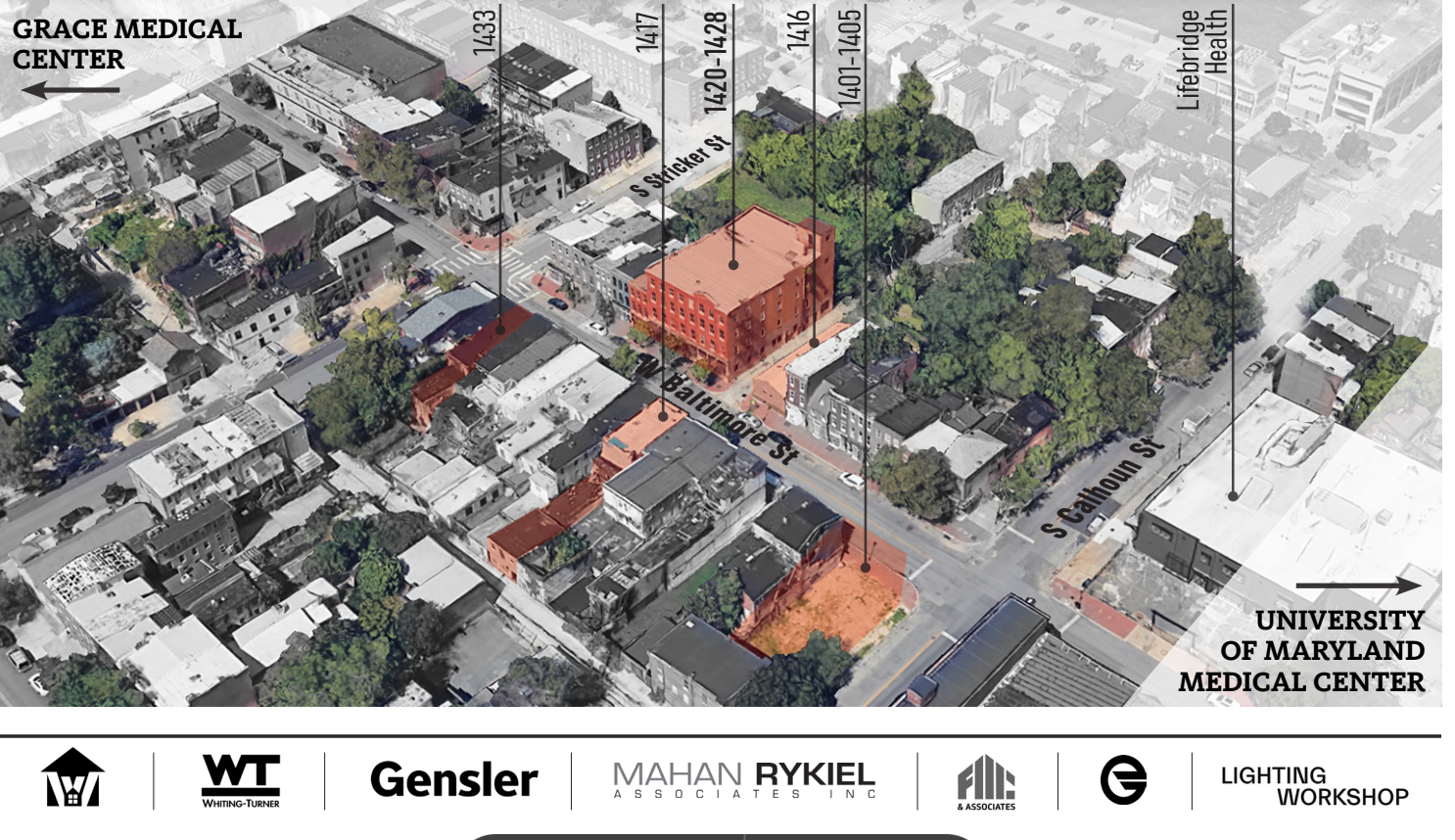
Location: Union Square Historic District, Baltimore City, Maryland
Project Vision
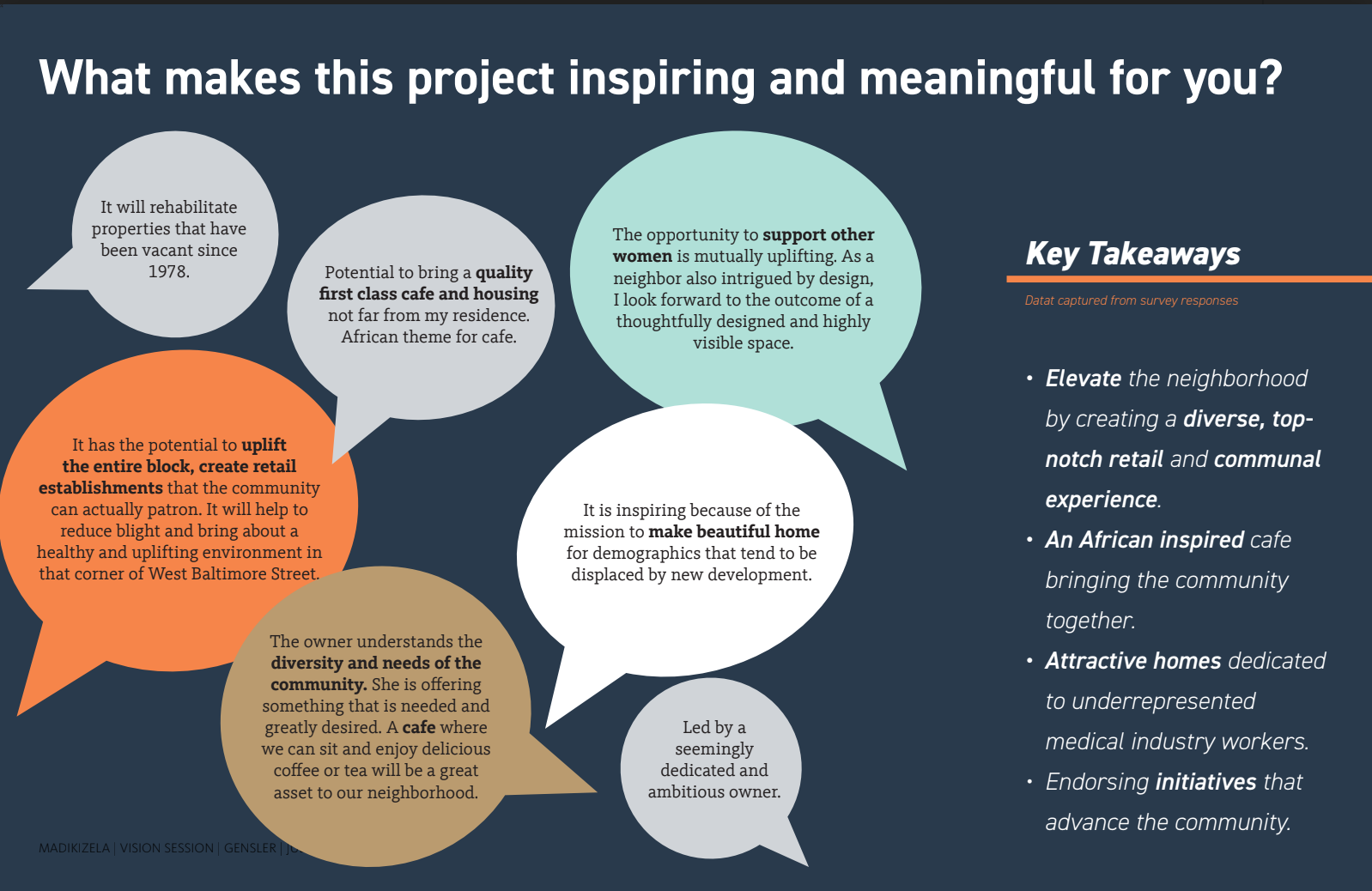
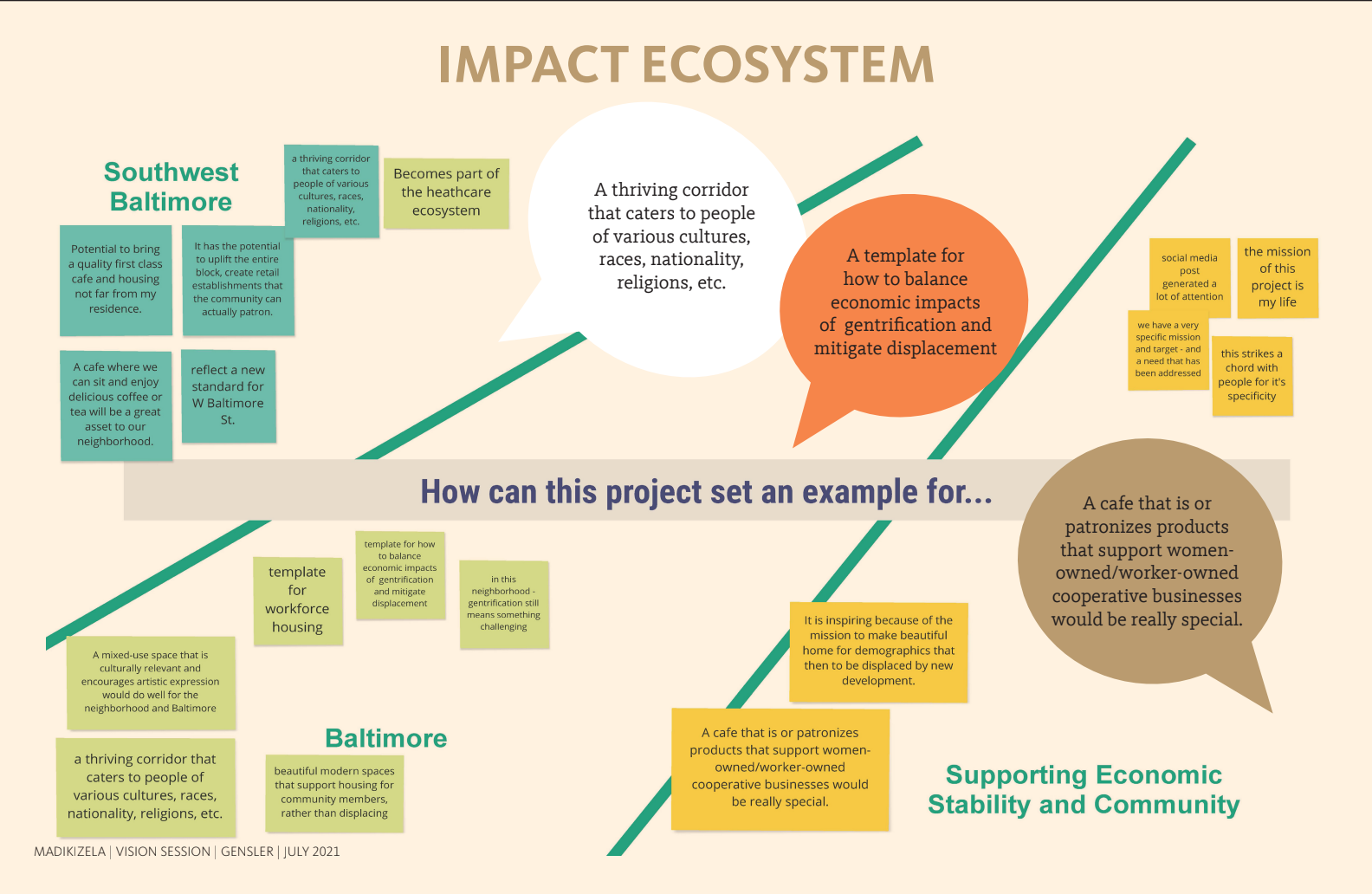
The 1420 W Baltimore Street project is a catalytic redevelopment initiative in the Union Square neighborhood of West Baltimore — a structurally disinvested community facing deeply entrenched environmental, social, and economic challenges. This project is led by Women’s Home Preservation, a 100% woman-owned firm with a team of global leaders. It enacts a bold, restorative development strategy that directly addresses climate justice, economic inclusion, racial equity, and the right to dignified housing.
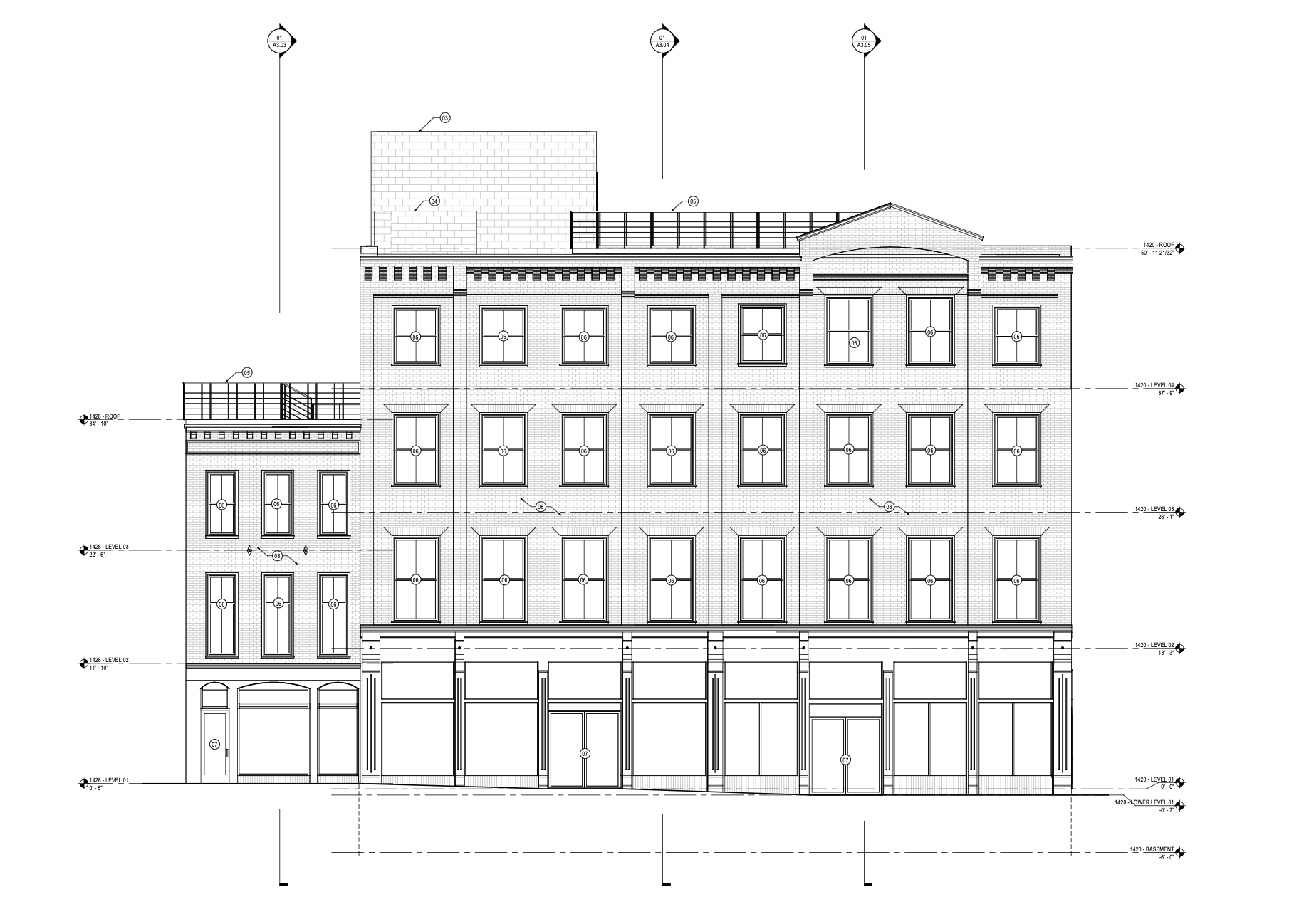
The historic 33,000+ square foot building will be transformed into a mixed-use, affordable, and climate-resilient development guided by four strategic pillars of impact:
1. Economic Vibrancy Through Micro-Manufacturing & Neighborhood-Serving Retail
The ground floor of 1420 W Baltimore will serve as a platform for inclusive economic revitalization. In partnership with ISONAH the project will house a micro-manufacturing hub and retail marketplace designed to support textile makers, artisans, and women-owned businesses. This activation strategy serves a dual purpose:
Creates new jobs and entrepreneurship pipelines for local residents — particularly women and young people
Reintroduces neighborhood-serving retail amenities into a community that has long suffered from commercial disinvestment and vacancy
1420 W Baltimore St shifts the paradigm from “revitalization by displacement” to community-rooted prosperity by seeding economic vibrancy from the ground up.
2. Clean Energy Innovation & Equitable Decarbonization
With the support of the Maryland Energy Administration, 1420 W Baltimore is envisioned as a model for equitable climate innovation in the built environment. The building is being designed to meet NET ZERO with the innovative integration of Passive House + community-scale microgrid, addressing both high energy cost-burden in Maryland.
Key components:
Passive House certification (PHIUS) ensures ultra-high efficiency, low energy burden for residents, and long-term affordability
A planned solar-powered microgrid will provide energy resilience, emissions reduction, and cost stability — helping decarbonize a historically burdened urban corridor
In a city where Black and brown neighborhoods suffer disproportionately from environmental degradation, this project models what climate justice can look like when it is led by community, not imposed upon it.
3. Affordable Housing with Intergenerational and Place-Based Impact
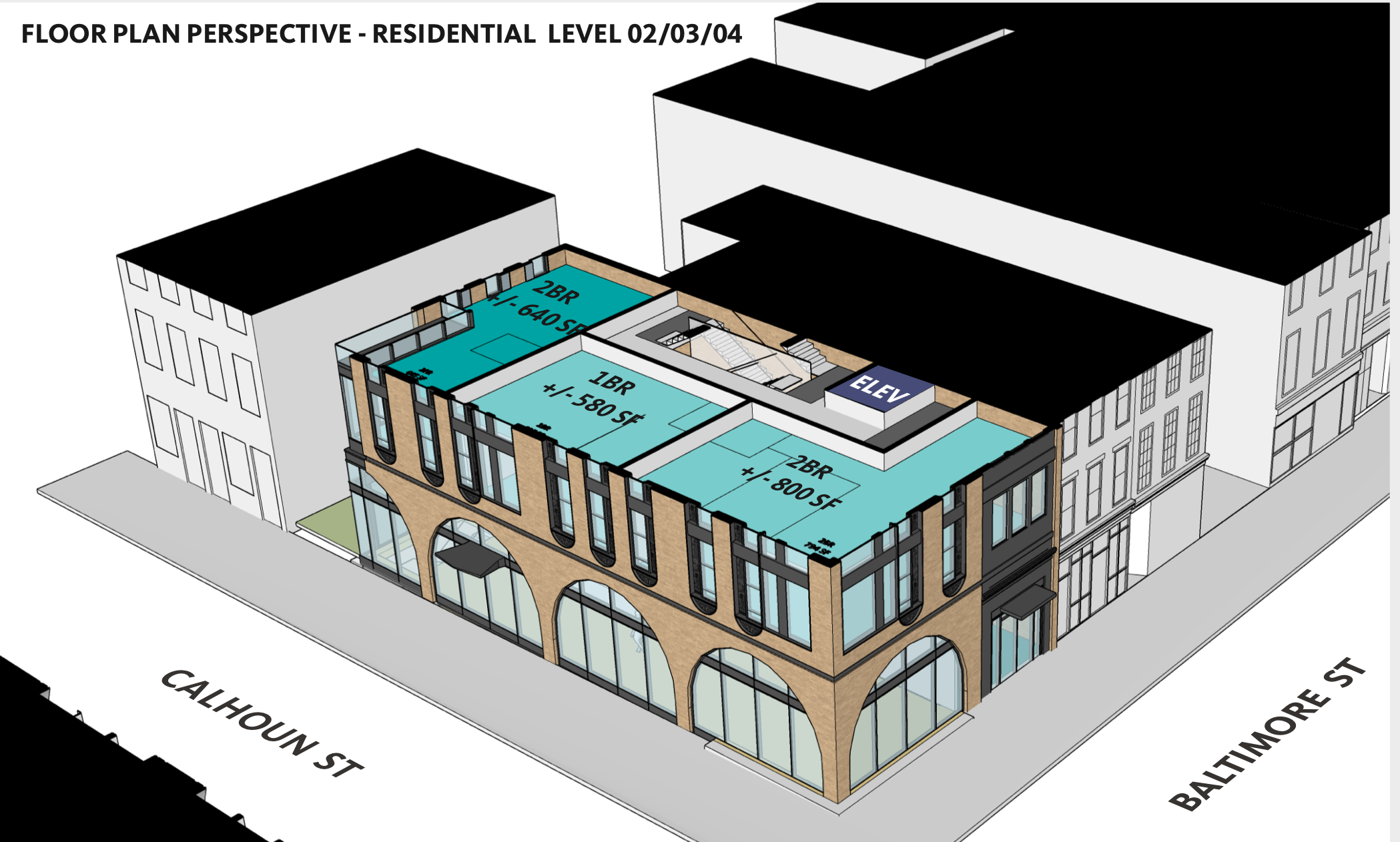
The upper floors of the development will feature 30 units of high-quality affordable housing, designed to anchor families while healing the physical and social fabric of West Baltimore.
This housing is not just shelter — it is a strategy for generational transformation, driven by:
Neighborhood Revitalization: The project eliminates long-standing vacancy and blight in a historic building, helping stabilize the surrounding area and boost community pride.
Youth Career Development: Through our Empowering Next Generations initiative, local youth is engaged in the development process via internships, green construction training, and entrepreneurship programs. This ensures that the next generation is not just watching change — they are building it.
4. Advancing Women’s Access to Housing and Economic Stability
Women’s Home Preservation is rooted in the belief that housing is a fundamental tool of empowerment — especially for women-led families who face structural barriers to security and opportunity.
The 1420 W Baltimore project will:
Prioritize housing opportunities for women heads of household, including single mothers, grandmothers, and caregivers
Serve as a model for how gender equity can be embedded in community development and real estate ownership
Build financial agency and generational wealth pathways through affordable rents and participation in the local economy
The Opportunity
This is not just a building — it’s a systems intervention. 1420 W Baltimore is a rare convergence of:
Historic preservation and green building excellence
Climate infrastructure and equitable access
Community ownership and capital liberation
At a time when mission-driven capital seeks do more than “diversify portfolios,” this project offers the chance to co-create a new blueprint for neighborhood resilience, powered by those who have been historically excluded from capital, opportunity, and decision-making.
1420 WEST BALTIMORE STREET
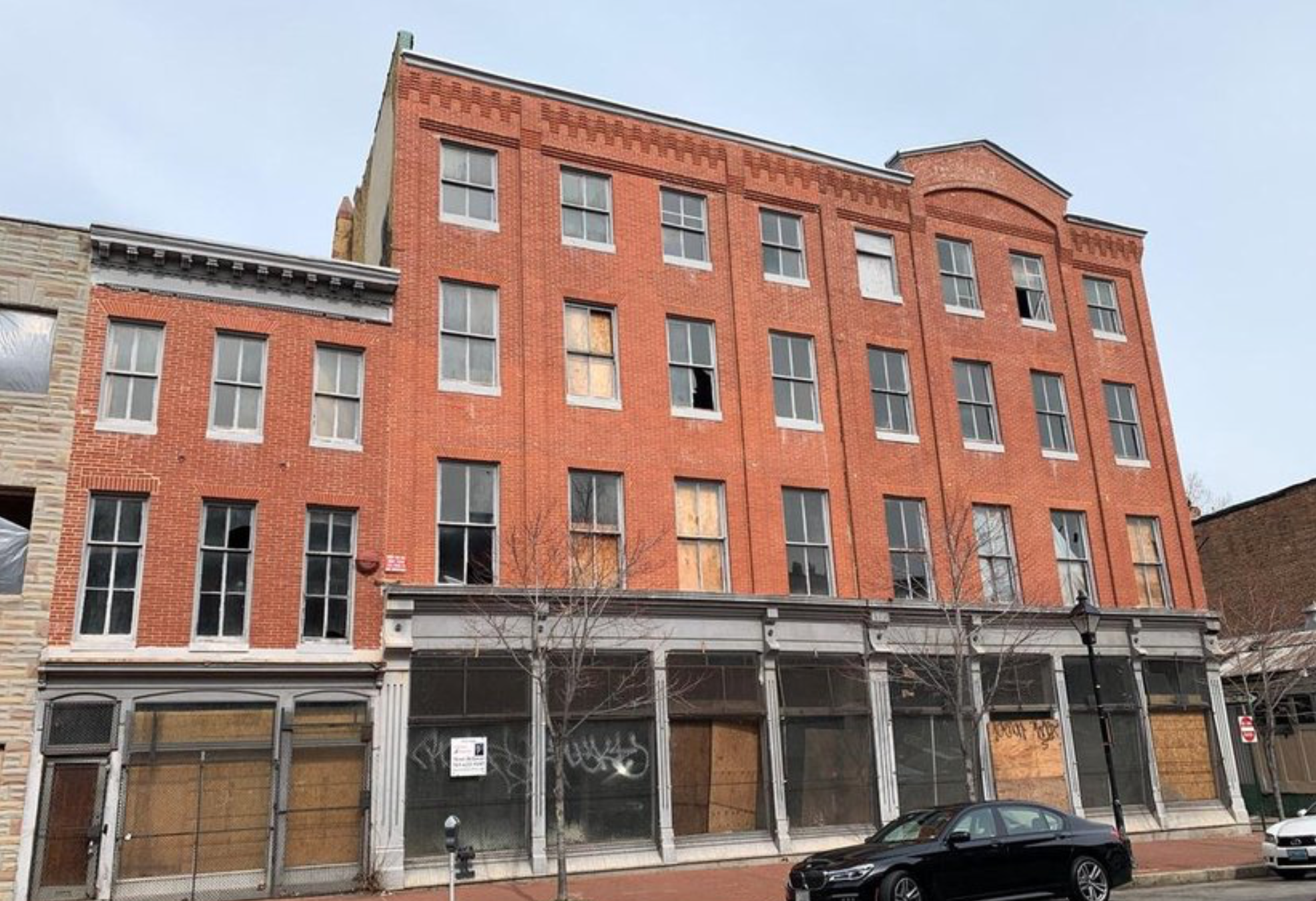
The Women’s Home Preservation awarded $2.1M by Maryland Historical Trust to redevelop Ford Building.
Once a thriving commercial corridor, W Baltimore St fell into neglect following years of redlining and disinvestment. The Ford Building is one of the largest edifices on the corridor and a prized historic asset in the community. Its $17M rehabilitation will create a live-work hub for entrepreneurs, creators, and artists who will live, work, and collaborate under one roof.
In selecting our project, MHT wrote: "your project is one of only a handful of projects to satisfy the Trust’s historic preservation goals for the year. The rehabilitation of the Ford Building will not only help revive one of Maryland’s precious resources but will also assist Baltimore in sustaining vitality in the community. Your commitment to and investment in the State’s historic neighborhoods is greatly appreciated."
Our placemaking approach to redevelopment
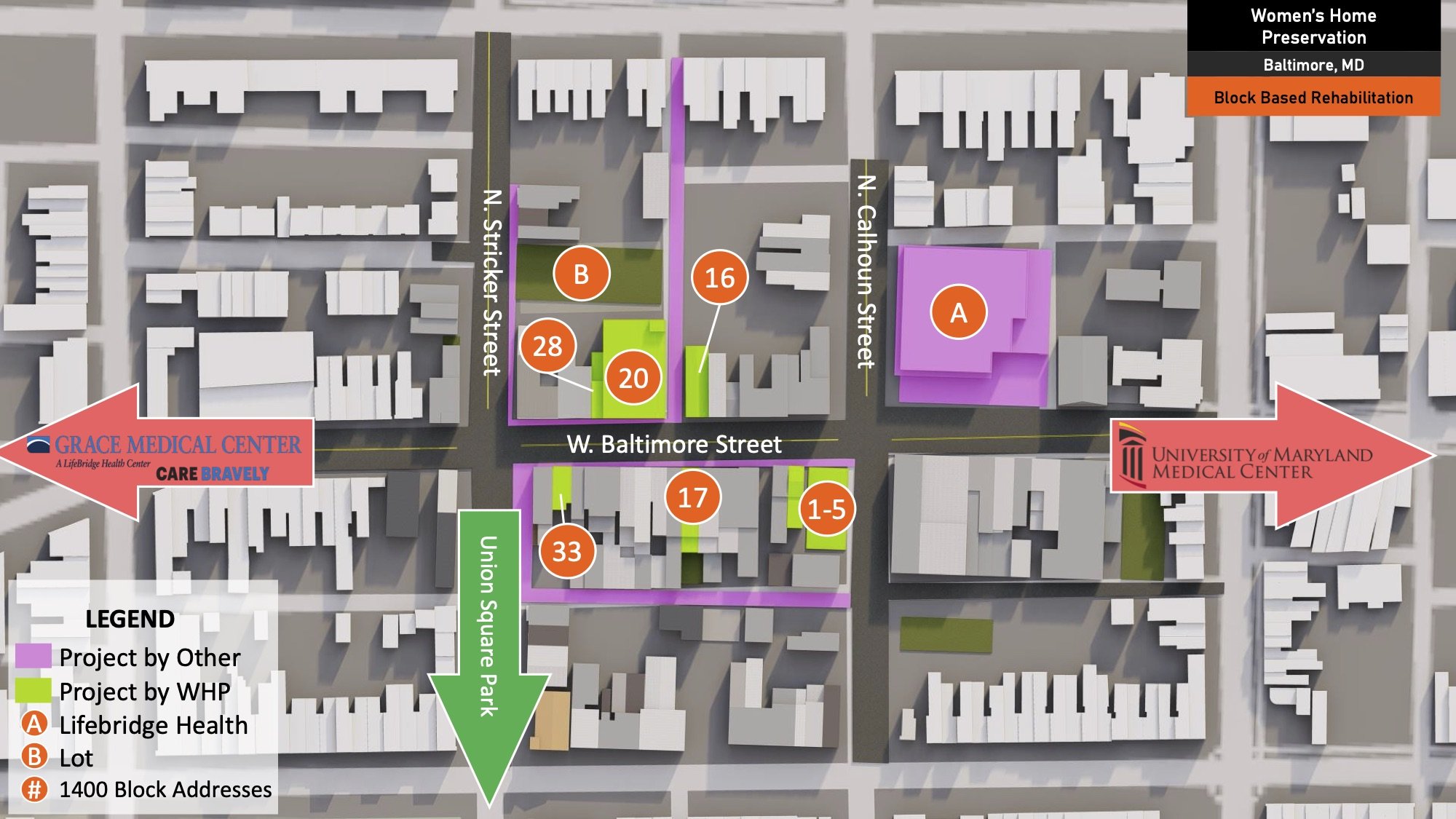
We adopt a placemaking model to development by strengthening one block at a time. By focusing our resources in one place, we more efficiently implement the community's collective vision for the neighborhood while also taking advantage of economies of scale. Placemaking makes it possible to effectively compound the network effects generated by new amenities, innovative technologies, and modern buildings that accompany our projects. The resulting impact is an immediate increase in the safety, overall health and wellbeing of the neighborhood.